
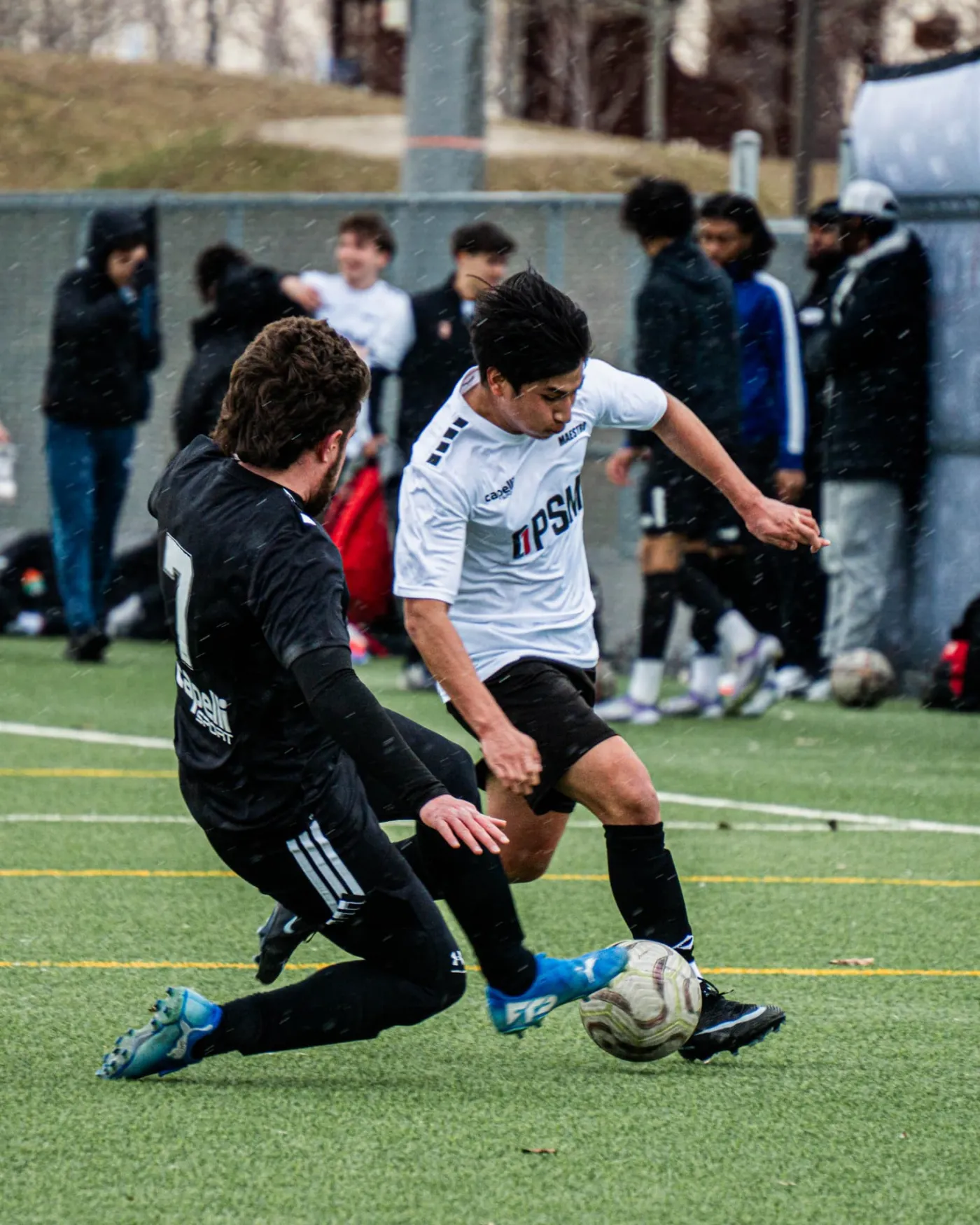
How Soccer Players Can Develop Better Tactical Intelligence
Why scanning, positioning, anticipation, and decision making can help players understand the game more clearly.
Technical quality allows a player to act. Tactical intelligence helps the player decide which action the moment requires. The two are closely connected. A perfect pass has limited value if it is played too late, while a simple pass can change a match when it is recognized early.
Tactical intelligence is not reserved for experienced professionals or naturally gifted thinkers. Players can improve the way they observe, interpret, and respond to the game. The process begins by paying attention to information before the ball arrives.
Scanning Creates More Time
Players often appear to have extra time because they already know what surrounds them. Scanning allows a player to identify teammates, opponents, open space, and possible pressure before receiving. That information makes the first touch and next decision more purposeful.
The habit should occur repeatedly because the picture can change quickly. A single look several seconds before receiving may no longer be useful. Players can practise checking both shoulders, noticing the nearest pressure, and identifying at least one safe option before the ball arrives.
Scanning should not become a movement performed without understanding. The player needs to know what information is being collected and how it affects the next action. Awareness becomes valuable when it guides a decision.
Positioning Solves Problems Early
Good positioning can make a difficult technical action easier. A player who moves into a useful angle may receive with more space, support a teammate, or remove an opponent from an important area. These movements are often less visible than a goal or assist, but they shape how the team functions.
Players should consider distance, angle, body orientation, and the location of teammates and opponents. The best position may change according to the phase of play. A useful attacking position can become a defensive risk as soon as possession is lost.
Reviewing match footage can help players see moments that were difficult to recognize on the field. Pause before the action develops and ask where the player could move, what space is available, and what danger may appear next. This turns video into an active learning tool.
Learn the Reasons Behind Team Principles
Players need to understand the tactical language used by their coach, but memorizing instructions is not enough. When players understand why a principle exists, they can apply it in situations that do not look exactly like the training exercise.
A coach may ask the team to create width, protect the centre, press after a poor touch, or support behind the ball. Each instruction solves a particular problem. Players who understand that problem can recognize the correct moment more independently.
Questions can support learning. A player might ask what signal should begin the press, where support is needed if the ball moves wide, or which space the team is trying to create. Thoughtful questions show engagement and help turn a tactical idea into a usable picture.
Study Players With a Purpose
Watching high level soccer can support development when the player follows a specific position or theme. Instead of watching only the ball, focus on a player who performs a similar role. Notice movement before receiving, reactions after losing possession, communication, and choices when the player is not directly involved.
The aim is not to copy every action. Different teams use different systems, and every player has individual qualities. The value comes from recognizing patterns and considering why a decision worked in that situation.
Players can take one observation into the next training session. A small idea tested on the field is more useful than a long list of notes that never changes behaviour.
Make Faster Decisions by Simplifying
Quick decision making does not mean choosing the first option without thought. It means recognizing the important information and avoiding unnecessary hesitation. Players can improve by identifying a likely next action before receiving and then adjusting if the picture changes.
Simple decisions are often the correct decisions. Keeping possession, supporting a teammate, or moving an opponent can prepare the next action. Tactical maturity includes understanding when the game requires patience and when it offers a moment to be direct.
OPSM Connect gives players a place to organize video, profile information, development, and opportunities throughout their journey. Tactical intelligence grows through observation, coaching, reflection, and experience. Players who learn to see the game earlier give their technical ability more chances to make a difference.
CONNECT BEYOND THE TOUCHLINE
Related Articles
Why Player Management Matters at Every Stage of a Soccer Career
The right support can bring structure, perspective, and direction to an increasingly complex journey.

Your Player Profile Is Your First Impression
How to present your ability, experience, and ambition clearly to coaches and scouts.
How to Prepare for a Soccer Showcase and Make the Opportunity Count
What players should do before, during, and after a showcase to create a professional impression.