
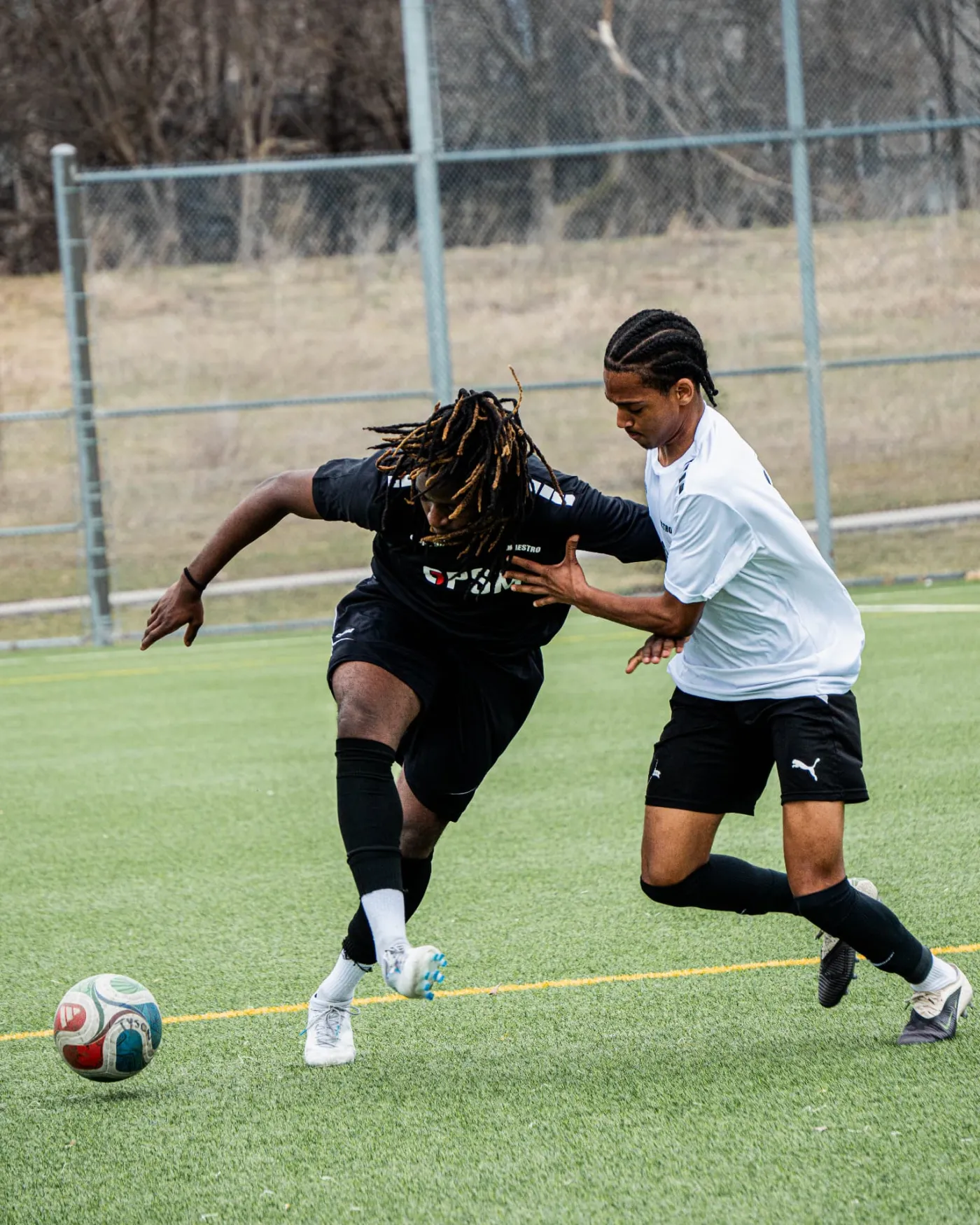
How Soccer Scouting Changes by Position
Why goalkeepers, defenders, midfielders, wide players, and forwards are evaluated through different responsibilities.
Every soccer player needs technical quality, awareness, physical readiness, and the ability to contribute to a team. Yet the importance of each quality changes according to position, role, and style of play. A scout does not expect a goalkeeper and a winger to influence the match in the same way.
Positional evaluation is also more detailed than counting obvious actions. A defender is not judged only by tackles, and a forward is not judged only by goals. Scouts consider whether the player understands the responsibilities of the role and can perform them within the demands of the game.
Goalkeepers Are Evaluated Across Several Phases
Shot stopping is important, but a goalkeeper may spend much of the match organizing, positioning, and supporting possession. Scouts watch starting position, communication, handling, movement across the goal, decisions on crosses, and comfort when receiving with the feet.
Decision making is central. Coming for a ball can be valuable when the timing is correct and dangerous when it is not. The evaluator may consider whether the goalkeeper recognizes pressure early, selects an appropriate pass, and remains composed after an error.
Context matters because some teams ask the goalkeeper to play high and participate regularly in buildup, while others emphasize direct distribution and protection of the penalty area. The player's suitability depends partly on the role being recruited.
Defenders Need More Than Successful Challenges
A strong defender often prevents danger before a tackle becomes necessary. Scouts examine positioning, body orientation, distance from teammates, awareness of runners, communication, and decisions about when to step forward or protect space.
In possession, defenders may be asked to break pressure, carry the ball, switch play, or recognize when a simpler option is safer. Calm decisions can be as important as passing range. A defender who forces difficult actions repeatedly may create problems despite appearing ambitious.
Recovery speed and physical strength can help, but evaluators also consider how efficiently the player moves and whether difficult situations were caused by poor positioning. The complete sequence matters more than the final challenge.
Midfielders Are Judged Through Information and Influence
Midfield roles vary widely. A holding player, attacking midfielder, and wider central player may have different priorities. Scouts therefore look at how the player receives information, creates angles, manages pressure, controls tempo, and supports the team in both directions.
Scanning can reveal whether a midfielder understands the picture before receiving. The first touch and pass then show whether the information was used well. Scouts may also notice whether the player remains available after moving the ball or becomes disconnected from the next phase.
Influence is not always measured by spectacular passes. A midfielder may improve the team through positioning, simple circulation, defensive coverage, and communication. The evaluator considers whether the player helps teammates solve problems.
Wide Players Need Timing and Variety
Wide defenders and attacking wide players are often required to cover large spaces and make repeated decisions about when to stay wide, move inside, overlap, defend forward, or recover. Speed is useful, but timing determines whether that speed changes the game.
Scouts look for variety. A player who always dribbles in the same direction becomes predictable. The ability to combine, cross, carry the ball, attack space, or protect possession gives the team more options.
Defensive responsibility also matters. Wide players may need to track movement, communicate with central teammates, and react immediately when possession changes. A strong attacking moment does not remove the need to contribute to the complete role.
Forwards Are More Than Their Goal Total
Goals matter because they decide matches, but scouts also study how chances are created. Movement behind defenders, timing in the penalty area, ability to receive under contact, combination play, pressing, and reactions to loose balls all provide information.
A forward may play well without scoring if movement creates space for teammates and decisions remain effective. Another player may score but contribute little during the rest of the match. Scouts place the outcome within the full performance.
OPSM Connect helps players present accurate positions, video, experience, and development information in one profile. Positional scouting is not about placing every player into a rigid model. It is about understanding which responsibilities the player can handle, how those qualities fit a team, and where further growth may be possible.
CONNECT BEYOND THE TOUCHLINE
Related Articles
What Coaches and Scouts Notice Beyond the Highlight Reel
Talent earns attention, but the complete player is evaluated through decisions, habits, character, and consistency.
How the Soccer Scouting Process Really Works
A clear look at identification, evaluation, follow up, and the decisions that happen before an opportunity is offered.
Why Scouts Watch Players More Than Once
How consistency, context, development, and repeated evaluation create a more reliable picture of a player.