
Understanding Collegiate Soccer in North America
A practical guide to the pathways, expectations, and decisions that shape the collegiate journey.
For many young soccer players, collegiate soccer represents the opportunity to continue competing at a serious level while earning an education. It can also provide structure, experienced coaching, valuable relationships, and a platform for further development. Yet the pathway is often misunderstood. Players and families may know the names of major universities, but they do not always understand how many different levels of collegiate soccer exist or how the recruiting process actually works.
There is no single collegiate route that fits every player. The right destination depends on playing level, academic record, financial circumstances, career goals, preferred environment, and readiness for the demands of being both a student and an athlete. Understanding those factors early can help families make decisions based on fit rather than reputation alone.
The Main Collegiate Pathways
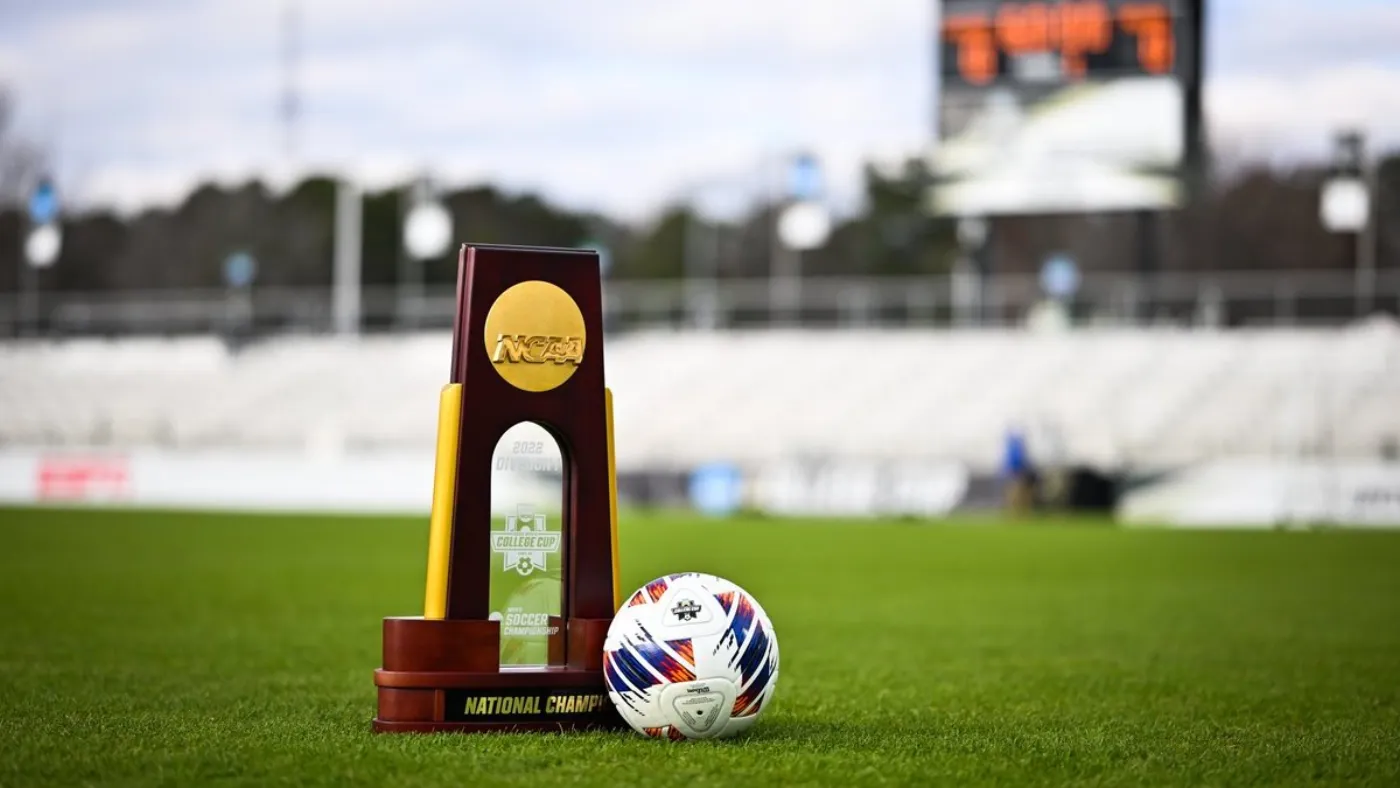
In the United States, collegiate soccer is played across several major systems. The National Collegiate Athletic Association includes Division I, Division II, and Division III programs. Division I is often associated with larger athletic departments, extensive resources, and highly competitive recruiting. Division II also offers a strong level of competition, with many programs placing a deliberate emphasis on balancing athletics, academics, and campus life. Division III does not offer athletic scholarships, but its programs can provide excellent competition alongside merit based or need based financial support.
The National Association of Intercollegiate Athletics offers another respected pathway through smaller colleges and universities across North America. Many NAIA programs recruit internationally and may provide athletic financial assistance. Junior colleges can also allow players to develop, improve academically, gain experience, and later transfer to a four year institution.
In Canada, university soccer is primarily organized through U SPORTS, while college competition is organized through the Canadian Collegiate Athletic Association. Both routes allow players to pursue an education while competing in structured varsity environments. The level, schedule, financial support, and campus experience vary by institution, which is why players should evaluate individual programs rather than making assumptions based only on the governing body.
How Recruiting Usually Begins
Collegiate recruiting is rarely as simple as waiting for a coach to discover a player. Some athletes are identified at showcases, league matches, tournaments, camps, or combines. Others create opportunities through direct and professional outreach. A strong introduction should give a coach the information needed to make an initial evaluation, including the player's position, current club, graduation year, academic standing, video, contact information, and reason for being interested in the program.
Coaches recruit according to specific needs. A talented central midfielder may not receive interest from a program that has already filled that position, while another program may be actively searching for exactly that profile. Timing matters, roster needs matter, and communication matters. A lack of response does not always mean a player lacks quality. It may simply mean the opportunity is not the right fit at that moment.
Players should research the schools they contact. Understanding the academic programs, location, team level, roster, coaching approach, and admission requirements makes outreach more focused. Coaches can usually tell when a message has been sent to dozens of programs without any real thought behind it.
Academics and Eligibility
Academic preparation is a central part of the collegiate pathway. NCAA Division I and Division II prospects must complete specific academic and athletic eligibility processes. Other associations and institutions have their own standards. Requirements can change, and international students may need to provide additional documents, so players should confirm current rules through the appropriate eligibility body and the school itself.
Grades can influence much more than admission. A strong academic record can expand the number of schools available to a player and may create access to merit based financial support. It also shows coaches that the player can manage responsibility, follow through on commitments, and handle the demands of collegiate life.
This is one reason players should begin planning before their final year of high school. Waiting too long can create unnecessary pressure around transcripts, applications, eligibility documents, video, and coach communication.
Understanding Scholarships and Financial Support
The idea of a full athletic scholarship receives a great deal of attention, but it does not represent every collegiate experience. Many athletic awards are partial, and the amount available depends on the school, division, program budget, roster needs, and the individual player. Athletic support may sometimes be combined with academic awards, grants, or other forms of financial aid.
Families should look at the complete cost of attendance rather than focusing only on the size of an athletic offer. Tuition, housing, meals, travel, books, insurance, and personal expenses can all affect the final decision. A smaller award at one institution may still lead to a more affordable and suitable experience than a larger award somewhere else. Every financial offer should be reviewed carefully with the institution.
Finding the Right Fit
The best collegiate program is not automatically the most famous one. A player should consider whether the coaching style supports development, whether the academic program matches future interests, whether there is a realistic pathway to playing time, and whether the campus environment feels sustainable.
A successful collegiate experience requires discipline. Players must manage training, travel, recovery, classes, assignments, and personal responsibilities. The environment can be demanding, but it can also help young athletes become more independent and prepared for life beyond soccer.
OPSM Connect helps players organize this journey by bringing their profile, video, academic information, opportunities, events, and communication into one place. The platform cannot choose a school for a player, but it can help make the process clearer, more organized, and easier to manage. In collegiate recruiting, informed decisions are often the ones that create the strongest long term outcomes.
CONNECT BEYOND THE TOUCHLINE
Related Articles

How to Get Recruited for College Soccer: A Practical Guide for Players
A clear look at the college soccer recruiting process and the actions that help players become visible.

How to Email College Soccer Coaches and Get a Meaningful Response
A professional approach to coach outreach that is concise, personal, and easy to evaluate.

College Soccer Scholarships: What Players and Families Need to Know
A realistic guide to athletic aid, academic support, total cost, and finding the right college fit.