

How to Provide Match Footage That Scouts Can Actually Evaluate
Why a clear, complete, and well organized video gives evaluators a more accurate view of a player's game.
Video has made it easier for scouts and coaches to evaluate players beyond their immediate area. A match can be reviewed from another city or country, and a promising player can be considered before an evaluator decides to travel. The value of video, however, depends on what it allows the viewer to understand.
Scouts need more than a collection of successful touches. They need context. Useful match footage shows positioning, decision making, movement, reactions, and consistency over time. The player should make that evaluation simple without trying to control every conclusion.
Use a Clear and Stable View
The camera should show enough of the field for the evaluator to understand the action. A view that follows only the ball too closely can hide the player's positioning before a pass arrives or movement after the ball leaves.
Stability and visibility matter more than dramatic presentation. The image should be clear, the player should remain visible whenever possible, and unnecessary effects should be avoided. Music, rapid transitions, or decorative graphics can distract from the decisions the scout is trying to review.
If the match was recorded from a difficult angle or has periods of poor visibility, explain that honestly. A scout can work with imperfect footage when the limitation is clear. Confusion becomes a greater problem when the video appears incomplete without explanation.
Identify the Player Quickly
The evaluator should know which player to follow before the action begins. Include the player's name, team, position, shirt number, and the date or opponent when appropriate. A simple visual marker at the beginning can help identify the player, but it should disappear before the play develops.
Shirt numbers and positions can change between matches, so the information should match the specific footage. If a player appears in more than one role, identify the change. Accurate labels save time and build trust.
Contact information and a link to the current player profile should be easy to find. The video should connect to the same information used in messages, event registrations, and recruiting materials.
Show Complete Sequences
A useful clip begins early enough to show the player's position and ends late enough to show the result and reaction. Starting immediately before a successful action removes the information that may explain why the player was able to perform it.
Complete sequences can reveal scanning, movement to create space, support after passing, defensive recovery, and communication. These actions help scouts understand how the player affects the game beyond the final touch.
Players should include a range of relevant situations. A central midfielder may show receiving under pressure, progressing possession, defending space, and reacting after a turnover. A forward may include movement before chances, combination play, pressing, and finishing. The selection should reflect the position rather than trying to make every player look the same.
Provide Full Matches When Requested
A focused video can introduce a player, but full match footage helps an evaluator examine consistency. It shows quiet periods, mistakes, choices under fatigue, and behaviour when the game changes.
Do not edit a full match in a way that removes difficult moments. Scouts understand that every player makes errors. The response to the error may be more informative than the error itself. An honest match gives the evaluator a clearer basis for comparison.
Use descriptive file names and working links. Organize videos by date, opponent, and competition where possible. Before sending anything, open the link from another device to confirm that permission settings allow the intended viewer to access it.
Keep the Video Current
Old footage may no longer represent the player's level, physical development, or role. A video library should be updated as meaningful new material becomes available. The goal is not to replace everything after every match. It is to ensure that the clearest evidence reflects the player today.
OPSM Connect gives players a central place to organize profile information, video, communication, and opportunities. Good footage does not manufacture ability. It removes obstacles between the evaluator and the performance. When the video is clear, honest, and relevant, the scout can spend more time judging the player and less time searching for context.
CONNECT BEYOND THE TOUCHLINE
Related Articles
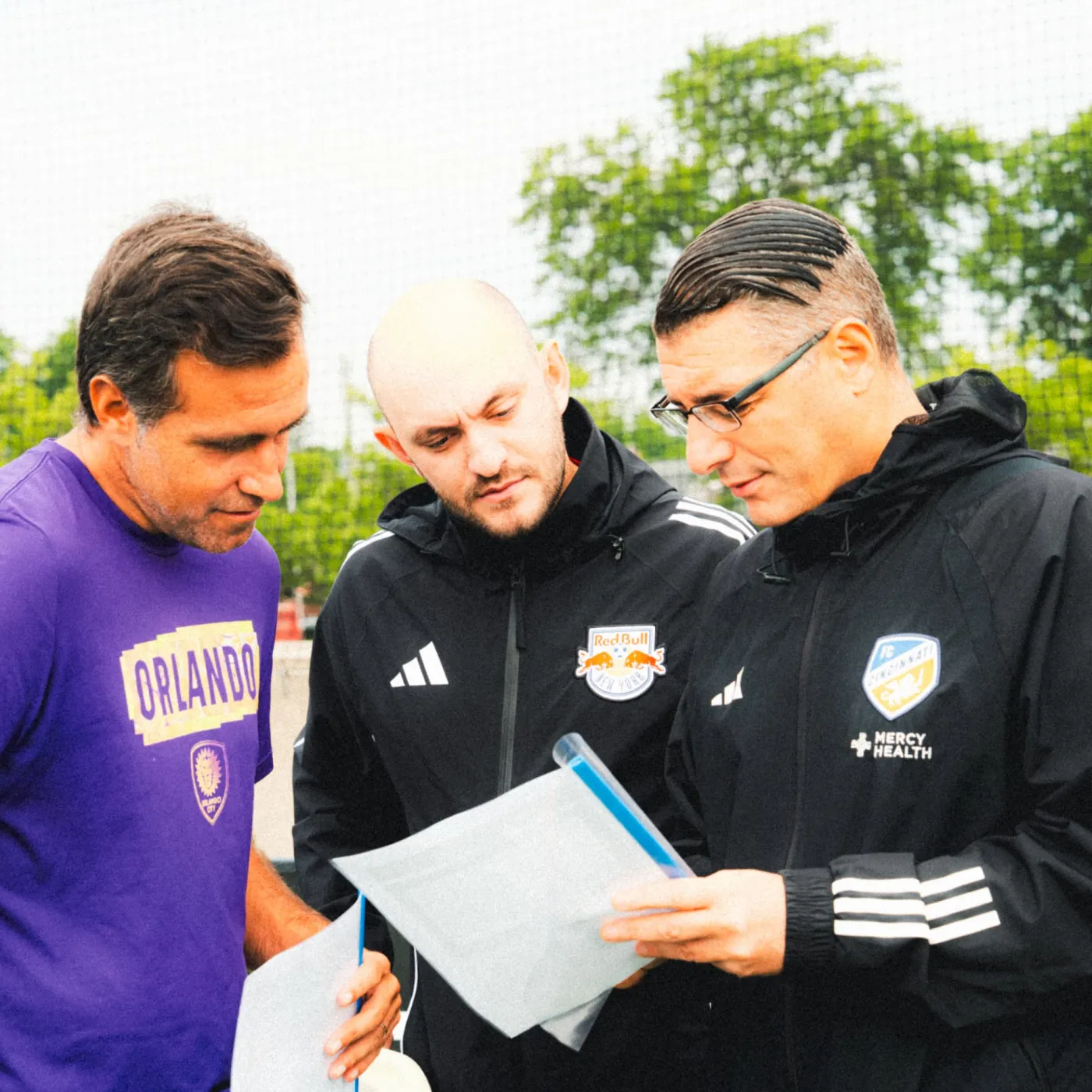
What Coaches and Scouts Notice Beyond the Highlight Reel
Talent earns attention, but the complete player is evaluated through decisions, habits, character, and consistency.
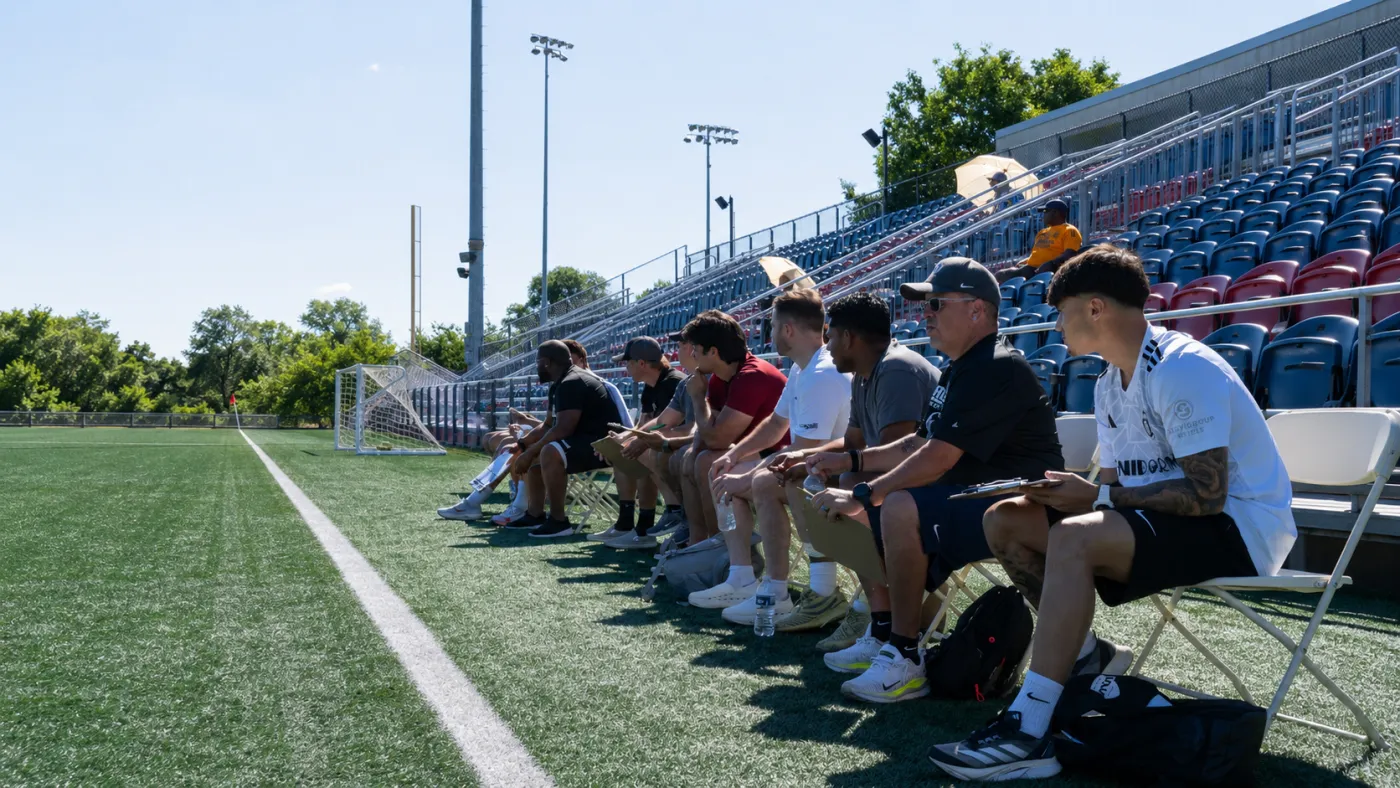
How the Soccer Scouting Process Really Works
A clear look at identification, evaluation, follow up, and the decisions that happen before an opportunity is offered.
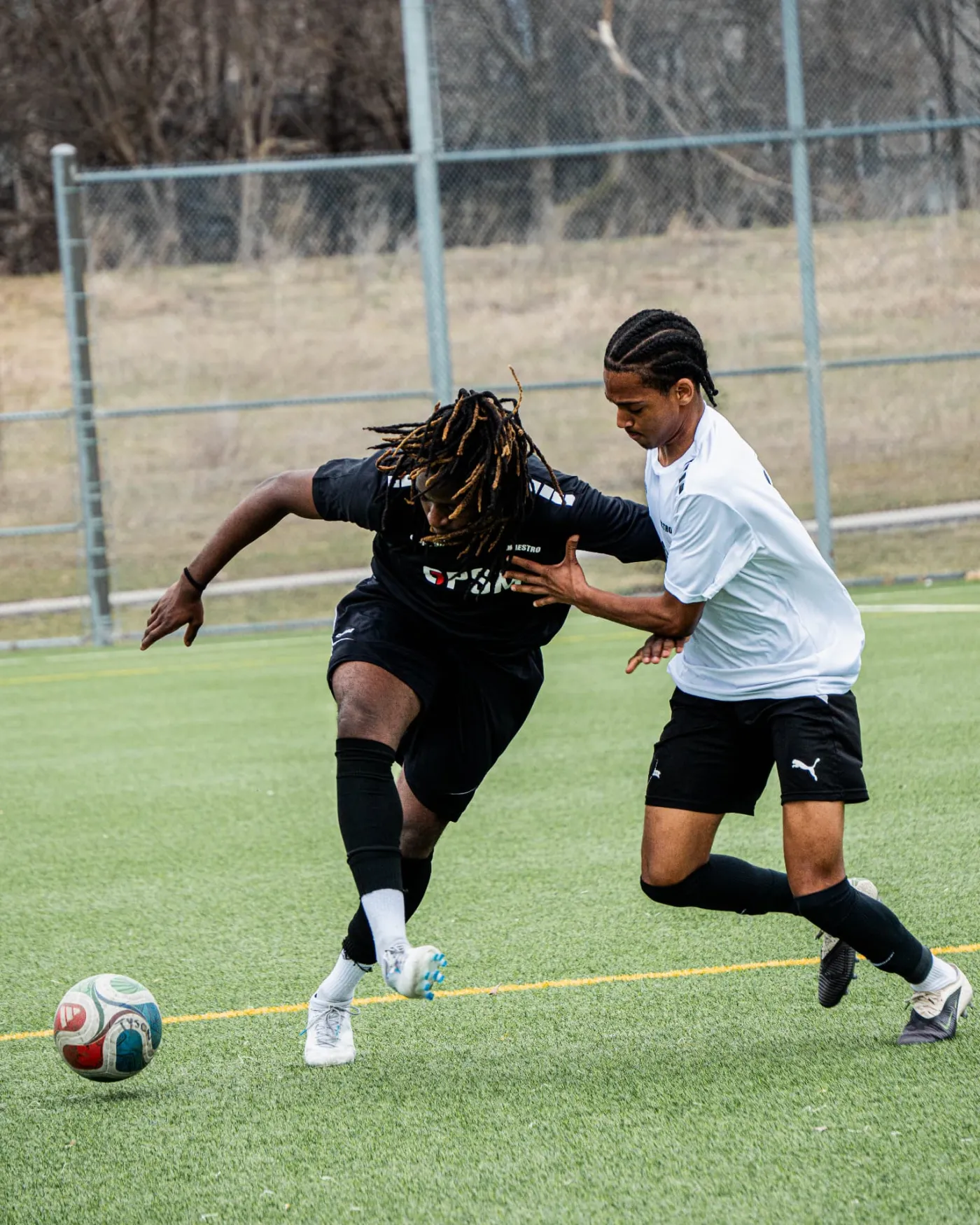
How Soccer Scouting Changes by Position
Why goalkeepers, defenders, midfielders, wide players, and forwards are evaluated through different responsibilities.